The post What Fish Can Live with Shrimp? appeared first on Aquatic Eden.
]]>
Shrimp has become widely popular among aquarists for many reasons. Perhaps you like that they come in different sizes and colors, which further make your tank attractive and calming.
You may love the fact that shrimp is a low-maintenance creature that won’t require a special diet. Or you simply appreciate them for being scavengers that can help in cleaning your tank.
Whatever your motivation is for having shrimps in your tank, you may have wondered at least once: “what fish can live with shrimp?”
The quick answer to this question is: small, friendly, and non-carnivorous fishes are best for inclusion in a tank with shrimp.
The good news is that there are many fishes capable of coexisting with shrimps. Continue reading to know more about fishes that can live with shrimps.
Fishes that Can Live with Shrimp
Here are the fishes that can keep with shrimp in your tank:
Betta fish
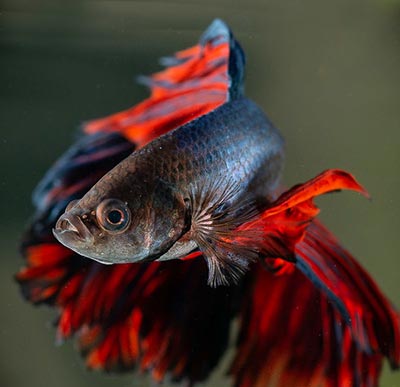
If you’ve been asking “what fish can live with Amano shrimp?”, then this is the fish you have been looking for.
Also known as the Siamese fighting fish, the Betta fish is notorious for being an anti-social fish. It can live on its own. However, it surprisingly can coexist with shrimp in a tank, especially a large one.
Extremely territorial and aggressive, the Betta fish thrives in a tank with soft water and temperatures of 78 degrees Fahrenheit.
Otocinclus Catfish
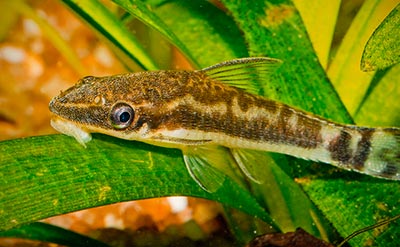
A peaceful fish that feeds on algae, the Otocinclus Catfish is considered a perfect tankmate for any shrimp. This small catfish can grow up to 2 inches in length. It thrives in a tank with a water temperature between 73 and 80 degrees Fahrenheit.
You’ll love that the Otocinclus Catfish comes in exciting and attractive colors. One variety, the Zebra Otocinclus, has white and black stripes. The common Oto catfish’s body is colored brown and white.
Expect to pay more, however, if you choose to buy the Zebra oto instead of the common Oto catfish.
Neon Tetra
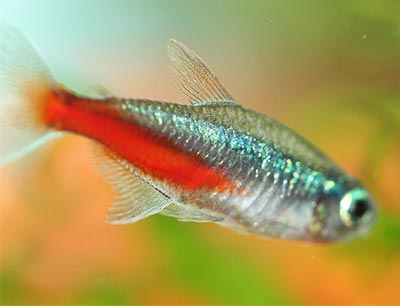
Wondering what fish can live with cherry shrimp? Then the neon tetra should be on top of your shopping list.
Similar to the Otocinclus catfish, the neon tetra is a small fish that won’t pose any threat to shrimp. It can grow up to 1.2 inches and thrive in water temperatures ranging from 70 and 77 degrees Fahrenheit.
A peaceful fish, the neon tetra has a small mouth so it won’t likely eat shrimp at all. Its bright-colored body would make it a great partner with a blue velvet shrimp.
Cory Catfish
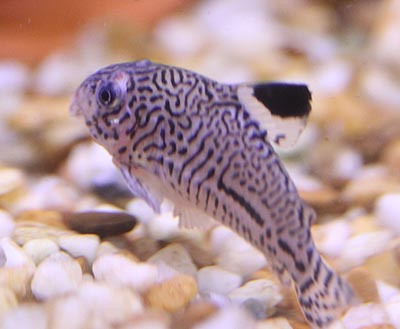
What fish can live with ghost shrimp? This tiny bottom dweller can also coexist with shrimp because of its temperament.
Cory catfish can grow up to 3 inches in length. It does well in a tank with temperatures between 72 and 82 degrees Fahrenheit.
The cory catfish is also a low-maintenance fish that won’t require any special food. In fact, like the shrimp, it is a scavenging tank creature. This means that the cory catfish can also help clean your tank by feeding on uneaten food.
Dwarf Rasbora
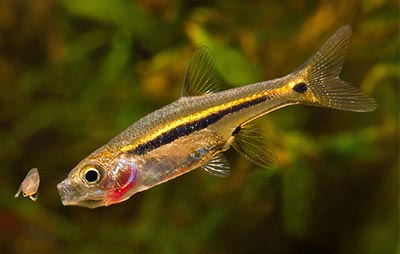
If you’re looking for a fish that can add colors to your tank, and live in harmony with shrimp, then get a Dwarf Rasbora.
Also called the Pygmy Rasbora, this fish is noted for its bright red colors. It is also an active fish that would swim ceaselessly across the tank, making it noticeable to everyone.
Yet despite its active nature, the Dwarf Rasbora is a peaceful fish. This disposition makes it an ideal tank mate with fishes and shrimps.
It also thrives in a tank with water temperatures between 68 and 82 degrees Fahrenheit. This fish should be kept in a tank of at least 5 gallons.
This fish is also not a picky eater at all. But it would thrive if provided with a carnivorous diet ranging from flake food to micro worms.
Bristlenose Pleco
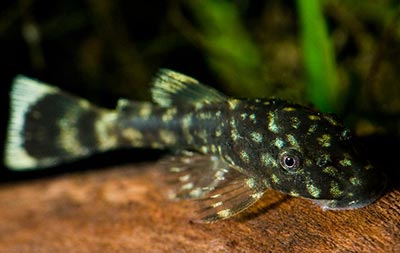
Here are another short and peace-loving catfish that can live with shrimp. The bristlenose pleco is popular among aquarists because it is small, peaceful, active, and fun to watch.
Unlike other catfishes that can grow up to 20 inches long, the bristlenose pleco can only reach 5 inches in length. A peaceful and sociable bottom-dwelling fish, it can coexist with practically any type of shrimp.
Moreover, you would likely fall in love with its appearance. The bristlenose pleco usually comes in green, brown, or gray colors with yellow or white spots. This fish certainly can add color to your tank.
Other Helpful Tips
These fishes will live in harmony with shrimp. However, there are also certain things you need to keep in mind when adding fish and shrimp to your tank.
First, shrimps are likely to grow or thrive in smaller tanks. Aim to have 15 shrimps per every five gallons of water.
You might want to start with a tank full of shrimp first before adding the aforementioned fishes. And then add juvenile fishes so the creatures will be accustomed to having shrimp in their environs.
Lastly, shrimps aren’t the best at reacting to changes in water conditions. Therefore, you should minimize water changes at least once a week.
Conclusion
So, what fish can live with shrimp? The answer would be fish that are small and non-aggressive.
These fishes include Otocinclus catfish, Neon Tetra, Cory catfish, Dwarf Rasbora, and Bristlenose pleco. These fishes are small and friendly that it’s unlikely for them to eat shrimp. Moreover, most of them are lower fishes that don’t need any special diet.
You can be sure that these fishes will get along with the shrimp in your tank. This is particularly true if you start with a tank full of shrimp.
Then introduce these fishes as juveniles, so that the creatures inside the aquarium would be acclimated with each other. Follow these steps and tips so that your shrimp would coexist well with your fishes in the tank.
The post What Fish Can Live with Shrimp? appeared first on Aquatic Eden.
]]>The post What Fish Can Live With Turtles appeared first on Aquatic Eden.
]]>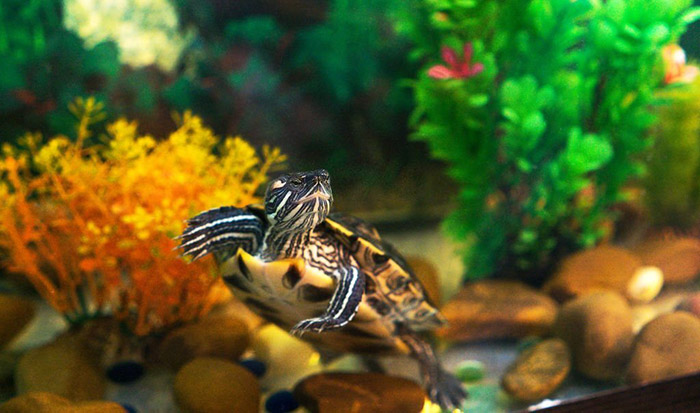
It’s not highly unusual to see turtles as pets, but owning one isn’t that easy or simple as well. After all, there’s a lot of thought that goes into setting up your tanks for a turtle. Tank owners have to think about the setup, the aquarium, lighting, filter, and heating, among many things.
Plus, many don’t want the turtles to be alone in the tank, preferring to mix them with fish. Thus, one of the commonly asked questions for soon-to-be or even current turtle owners is what fish can live with turtles.
Turtles can indeed live with fish but that would depend on the turtle species and fish species tank owners intend to mix. In this post, we will talk about the basics of having turtles and fish live together.
The Turtle Species
If you are just about to acquire a turtle and are thinking of mixing it with fish in a tank, then you must carefully choose the turtle’s species.
Keep in mind that turtles who have been consuming feeder fish or guppies are likely to view any fish on the tank as food. As such, regardless of their species, one must avoid getting a turtle that’s been fed with fish for most of its life.
Below are turtle species that can be mixed with fish
Red-eared slider
It’s one of the most common turtle species kept by people. This species is omnivorous, however, the adult ones are more herbivorous. The adult red-eared slider can peacefully live with big fish species.
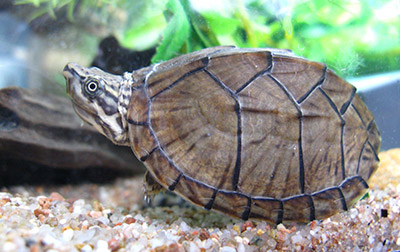
Musk and mud turtles
Musk and mud turtles are said to be the best turtle species that can be housed with fish since they are not prone to prey on fish. They also tend to shy away from preying on fish.
In their natural habitat, thes turtles wait out for prey that move slowly from the muddy part of their dwelling. Given that fish tanks generally don’t have muddy areas where turtles can hide, tank owners can then house this turtle with fish.
Pink belly side neck turtle
This species can live with fish harmoniously. They feed on small insects, fish, plant matter, crustaceans, and mollusks. Just don’t mix them with small fish and they can cohabitate in the same tank or aquarium as fishes.
Fish That Can Live with Turtles
When looking for fish that can live harmoniously with turtles in an enclosed space, then consider getting hearty fishes. Size matters too as many turtle species also eat small fish. It is best to opt for a large-sized fish. A fast fish is also a good choice since turtles who are known for being slow will have a hard time catching them.
Below are some fish species that you can choose to mix with your turtle.
Koi
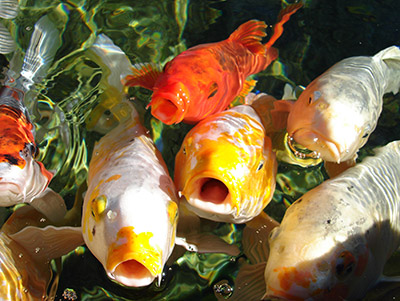
Koi, a member of the carp family, is popular for being kept as attractions in water gardens and ponds. They are strong swimmers so they can easily swim away from turtles. They are large, capable of growing up to several feet, and thus cannot easily be bullied by the bigger tank dwellers
Electric Yellow and Convict Cichlids
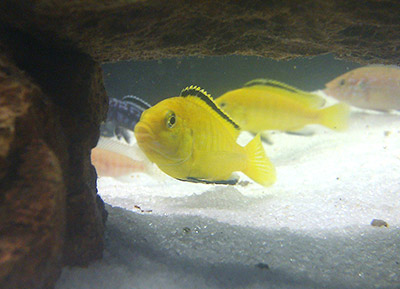
Tank owners should also strongly consider Cichlids as many turtles don’t see this fish species as a possible prey. After all, they can grow up to 3.5 inches and not exactly the smallest fish that can easily be preyed on.
Similarly, convict cichlids can grow roughly up to five to six inches. They live in an environment full of wood, rocks, and plants, which they use to their advantage for keeping safe from turtles. Cichlids, generally, are good to combine with turtles as they are skilled at hiding.
Plecos
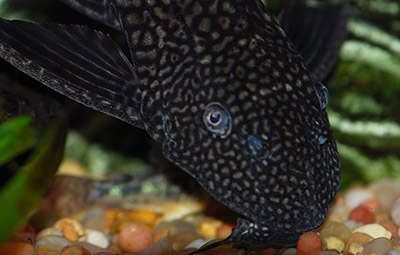
Plecos, also popularly referred to as Suckermouth Catfish and part of the armored catfish family, are hearty species. They are quite big, and can even grow as much as 20 inches.
Plus, their upper body has armor-like longitudinal rows of scutes that offer them great protection. It also helps that they are fast swimmers.
Neon tetra
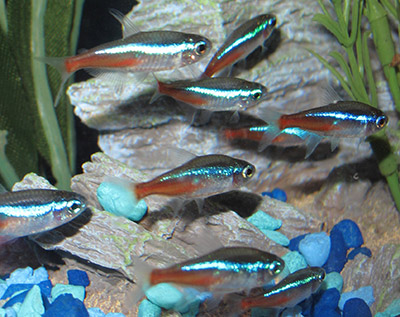
It is a species that is commonly kept by tank owners with turtles. While they aren’t as big as others on this list, they have lightning-quick speed. Turtles will have a hard time catching up with them.
Pictus catfish
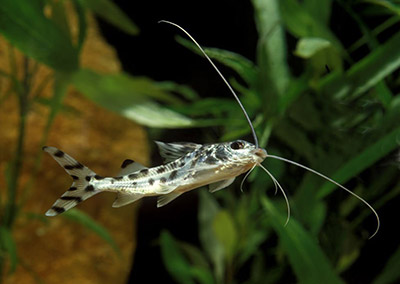
This fish species is another fish often housed with turtles. They can grow up to five inches and are known for their speed which turtles cannot keep up with.
Rosy barb
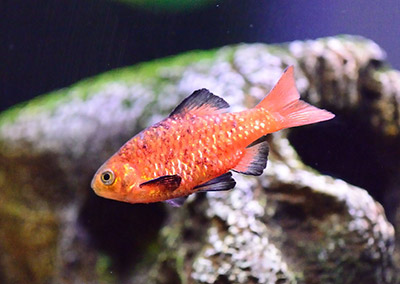
Rosy Barb is easily available in pet stores and is known for being fast. They can also grow up to six inches.
Guppy
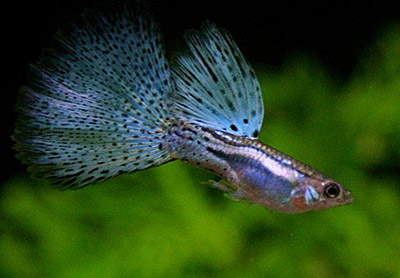
Guppy comes in different breeds and other species that can easily cohabitate with turtles. They are not that big but they are quick. Thus, it’s almost impossible for turtles to catch them.
Tips for Housing Turtles with Fish
Aside from choosing the turtle species and fish species carefully, there are other points to consider when homing turtles and fish in the same tank or aquarium.
Space
Turtles need a good mix of deeper water and dry land in their habitat. As such, make sure to have enough tank space for both the turtle and fish you wish to house together.
You need to make the turtle comfortable by providing space that won’t make it feel claustrophobic. Plus, sufficient space also lets the turtle swim away from the turtle just in case it feels like preying on the fish.
Aggressive fish
It’s not only your turtle that can attack its fellow tank dweller. Overly big or aggressive fish can also attack your turtle. As such, stay away from aggressive fish as they may wear and stress your turtles easily
Tank decoration
Don’t just throw anything inside the aquarium or tank as decorations. Make sure you decorate the tank optimally, providing fish with escape routes just in case the turtle becomes aggressive and pursues the fish.
Rocks, driftwood, plants, and PVC pipes are some of the decorations you can use to provide fish the escape route they might need.
Well fed turtle
Make sure you feed your turtle properly so it goes hungry and is tempted to prey on the fish it lives with. Adult turtles typically need two to three meals per week. You can, however, expect turtles’ predatory instincts to activate if they are left starving.
Keeping Turtle Pet and Fish Together is Possible
It is possible to mix your pet turtle with fish in your tanks. Just be careful in selecting both turtle species and fish species, opting for an adult turtle and large-sized or fast fish species.
Giving both enough space, and an escape route for the fish as well as feeding the turtle sufficiently will go a long way in making these two live harmoniously in your aquarium or tank.
The post What Fish Can Live With Turtles appeared first on Aquatic Eden.
]]>The post Male vs Female Angelfish (Spotting Their Differences) appeared first on Aquatic Eden.
]]>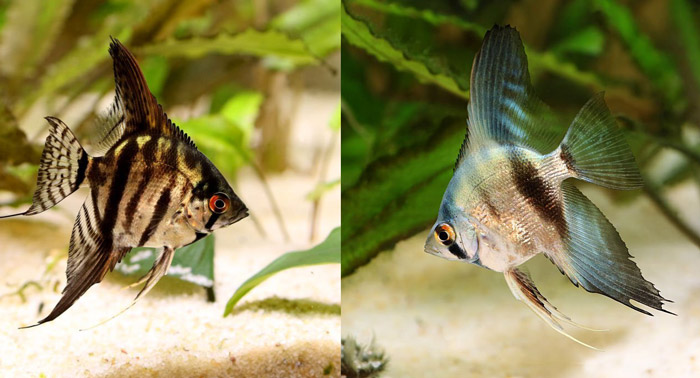
Pterophyllum or more popularly known as angelfish is a relatively common sighting in tanks or aquariums. This South American native fish species has a body shape that lets them hide on vertical surfaces such as plants and roots easily.
It’s quite easy to spot angelfish, thanks to their striking colored stripes. But how do you tell a male vs female angelfish?
The best telltale signs are the fish’s size but there are other ways of differentiating the two genders. In this article, we will discuss how to tell male vs female angelfish.
How to Tell Male vs Female Angelfish
It typically takes six or seven months for angelfish to reach their sex maturity. However, even when they’ve already matured, it can be quite challenging to tell a male angelfish from a female one. One must look closely to see the difference between the male and the female.
Here’s how to tell the difference based on their appearance.
Female Angelfish
- Generally smaller body
- Angular body shape
- No forehead bump and nuchal hump
- Sloping face
- Has rounder, and smother ventral fins
- Wide and blunt breeding tube
- More angular belly line
- Wide cloaca
- Swollen belly during the breeding season
Male Angelfish
- Generally larger body
- Circular-body shape
- Prominent forehead bump and nuchal hump
- The area on the right eye of the male angelfish is rounder and more prominent
- Forked ventral fins
- A thin and pointed breeding tube that’s highly similar to a pencil tip
- Narrow cloaca
- Never a swollen belly as only female ones can produce eggs
Here’s a table for easy reference in differentiating a male versus a female fish.
| Features | Female Angelfish | Male Angelfish |
| Body Size | smaller | larger |
| Head | no forehead bump and nuchal hump | Prominent forehead bump and nuchal hump |
| Body Shape | Angular | Circular-body |
| Fins | rounder, and smother ventral fins | forked ventral fins |
| Tube shape | wide and blunt | thin and pointed; highly similar to a pencil tip |
| Cloaca | wide | narrow |
| Face | sloping | right eye is rounder and more prominent |
How to Tell Male vs Female Angelfish by Observing their Behavior
Even seasoned tank and angelfish owners sometimes have difficulty identifying a female from a male angelfish, despite their physical similarities.
Fortunately, it is also possible to distinguish between the two genders based on their behavior.
Aggressiveness
The most obvious difference is how territorial one is from the other, with males being more territorial than females. This is especially evident during spawning seasons as male angelfish tend to become more aggressive.
The male angelfish during the breeding time will both shake and fan out their fins to attract a mate. The males, when chasing female prospects, tend to chase other male angelfish nearby. They also are relentless in their pursuit of female ones. As such, an angelfish that seems to be swimming towards another is likely to be a male.
Female angelfish are not prone to chase although they can harm and chase away fish that they don’t like. Plus, females are less territorial except when they are being protective of their young.
Swim Patterns
One can also tell a male from a female angelfish by observing the way they swim.
A female angelfish will normally hold her mouth slightly above the middle of her tail. Males, on the other hand, normally have their bodies oriented horizontally from mouth to tail
What Is The Best Age To Spot the Difference Between Male And Female Angelfish?
As mentioned, it takes six to seven months for angelfish to fully develop their bodies. This is why one cannot really tell the gender of the fish when they are still young as both genders pretty much look alike
The best time to distinguish a male from a female angelfish is when they are already mature, or when their bodies are already fully developed. This is around the seventh or eighth month after their birth.
At this time their breeding tubes are already formed. The female angelfish have wide and blunt tube shapes while males have a thin and pointed tube shape that’s highly similar to a pencil tip.
While angelfish normally have developed their bodies in the sixth or seventh month, one may still need to wait a bit longer if their development is delayed. Lack of space and poor environment may mean a longer time for the angelfish to reach maturity.
However, a tank owner who is getting an angelfish for breeding doesn’t have to wait long for females and males to mature. This is because most pet shops sell already mature angelfish
In a Nutshell.
Conclusion
It can be quite difficult to spot a male vs female angelfish when they are still small. The differences between the genders, however, become more prominent once the fish matures. Size and body shape are two of the easiest ways to tell a male from a female one. Angelfish behavior can also give them away.
The post Male vs Female Angelfish (Spotting Their Differences) appeared first on Aquatic Eden.
]]>The post ADA 2007 Aquascaping Contest: Top 10 Rankings appeared first on Aquatic Eden.
]]>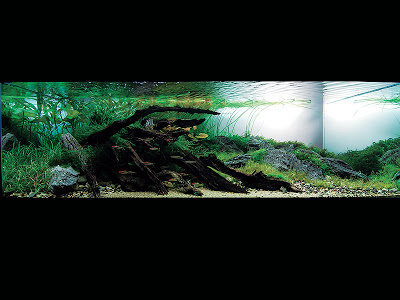
World Ranking 1
This is a classic Nature Aquarium style tank and the contrast between the heavily planted left side and the open right side create a tranquil border scene complete with sandy foreground. The use of rock and driftwood help to add structure to the aquascape.
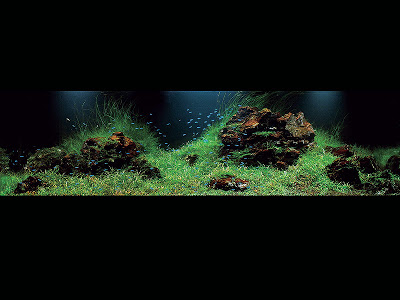
World Ranking 2
A lovely hillside scene with rocky outcroppings and schools of tiny colorful fish create an idyllic scene in this iwagumi inspired layout.
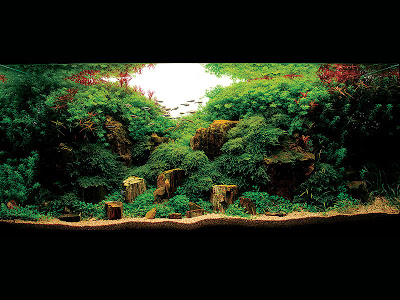
World Ranking 3
The carefully placed petrified wood in the foreground of this beautiful aquascape combined with the lush, overflowing green vegetation create the atmosphere of overgrown ruins deep in a jungle. The nearly terraced midground creates a beautiful “staircase” effect up to the dip in the plants where a school of fish hover like a flock of tropical birds. This is my personal favorite of the top 10.
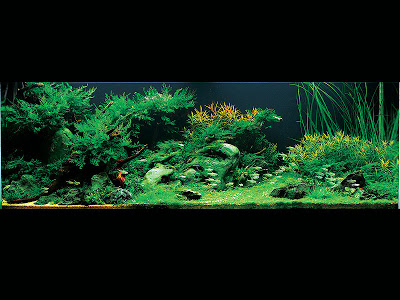
World Ranking 4
Diagonal layers of ferns on driftwood create a stunning effect coupled with the contrast of the orange-tipped plant on the right side of the tank. The grassy, pastoral foreground complete with a school of fish completes the scene.
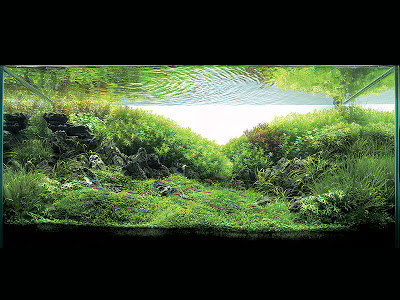
World Ranking 5
This aquascape looks like a lush mountain, with the two background groups of plants overlapping, creating a valley-like feeling. I love the contrast in colors and textures in this one.
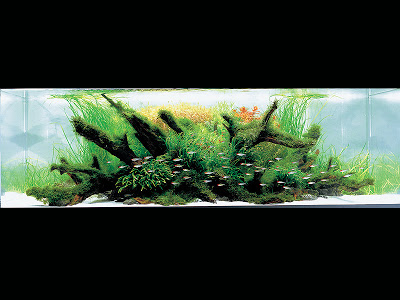
World Ranking 6
An “island” aquascape, the driftwood adds a lot of interest and I especially like the hint of red peeking over the midground plants. The white sand foreground must be a pain to keep clean though!

World Ranking 7
This is a particularly interesting aquascape. I’m not quite sure how the designer created the illusion of a waterfall, but it could have been done with sand or air bubbles. Either way, the visual interest of this aquascape is amazing. It’s such a beautiful tropical scene, with lush plants and mosses surrounding a clearing filled with grasses. The slope of the entire aquascape also adds such depth to the scene that it makes it seem much bigger than it actually is.

World Ranking 8
The most striking feature of this aquascape is the vertical rock formations. They are perfectly placed and dotted with all sorts of plants, creating an overgrown, natural look.
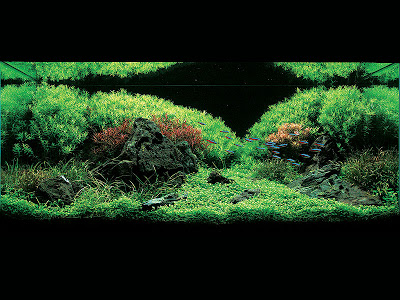
World Ranking 9
The black background of this aquascape helps to bring out the brilliant green colors of the plants, and the two red plants, on either side of the “valley” provide contrast.
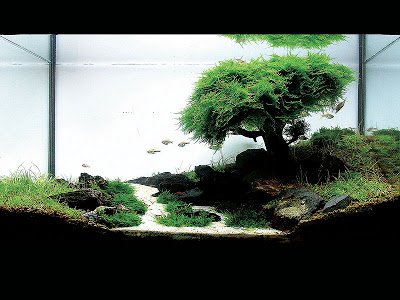
World Ranking 10
Filipe Oliveira’s entry, this is such a unique and wonderful aquascape. The moss “tree” and the pastoral setting beneath are fundamentally relaxing and pleasing to look at. It’s also the only entry in the top 10 rankings from outside Asia.
The post ADA 2007 Aquascaping Contest: Top 10 Rankings appeared first on Aquatic Eden.
]]>The post Why Does My Betta Fish Stare At Me appeared first on Aquatic Eden.
]]>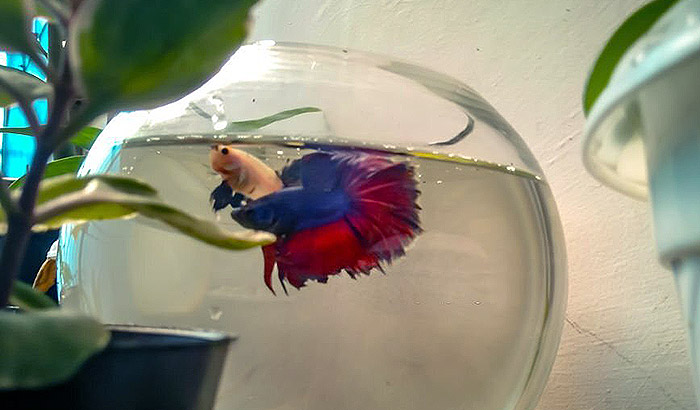
When I was still new to fish keeping, I was always wondering why does my betta fish stare at me. At first, this unique fish habit made me feel anxious and creepy, but I later adjusted to it after some time.
But to answer why betta fish stare at someone, this habit is related to the betta thinking or expecting that the person is feeding them. This fish also needs the attention of the fish tank owner, making them stare when they need attention. Other factors that cause this betta habit will also be discussed below.
Why Does My Betta Fish Stare At Me
Anticipation of Being Fed
The primary reason a betta stares at someone is the anticipation of being given food. When the fish is in your home, they can quickly associate you being the fish tank owner with food. The moment they see you coming into the aquarium, you will notice that they immediately come in front of the fish tank and watch you. This action means they anticipate that they are going to be fed by you.
The perception of the betta fish to the owners is that they are their food provider. It is just natural for the fish to feel that way. The fish comes with this small brain capacity that allows them to recognize the fish tank owner.
This ability to recognize and remember the face will allow them to connect more, especially if you are always seen. The more interaction you do with the fish, the more recognition and bond will be created with your pet.
With all these natural skills of the bettas and the bond created by your constant presence, the fish will perceive you as their food provider. The bettas can quickly associate you with food, which means the anticipation of being fed will always be there when they recognize your presence.
Bettas are Interested in the Outside World
Another habit that betta has is the interest in what is happening outside the fish tank. This situation means that the fish observe anything happening outside, including you, especially when coming to the aquarium to feed them.
It is basically the entertainment of the betta fish, anything that happens outside the fish tank. In fact, it is the only thing that will catch their total interest. The movement, the changes, and all the things happening outside will be their form of entertainment.
Like many other animals, betta fish are also drawn to motion. Any movements happening on the outside will certainly catch their attention. If you have a TV room, it is normal for you to notice and feel that they are watching. They are just curious about the colors and movement of the screen.
Since betta fish live in a confined environment in the aquarium, it is normal for them to be interested in what is happening from the outside. Any activity or sudden changes on the outside will draw their interest, making them observe and stare.
The Betta’s Instinct
The betta fish has this instinct that makes them focus and eventually stare most of the time. The primary instinct of the betta fish is to watch any movement happening around them. Whether it’s the food or something that wants to eat them, they will need to recognize this movement as part of their instinct.
Bettas need to watch all the time, making them look like they are always staring. It is just their regular routine that makes them feel safe from predators and other threats happening in their environment. They also do this routine once they are in the aquarium.
They are always interested in the contrast of colors and their movement in front of them. But since they are in a secluded environment in the aquarium, they will keep staring at the outside, including when you are in front of them.
When you are close to the aquarium, it is normal for the bettas to recognize you, which results in staring at you. But when you are far away and still stare, it is probably because they are sensing your movement from the outside.
Fish Don’t Have Eyelids Which Make Them Stare
Fish do not have eyelids which means they do not close their eyes. The result is that they will keep on staring at anything, including you. Unlike humans, the fish live in water which means they do not need to blink to moisten their eyes.
Since it is always an instinct for the fish to keep attention on what is happening around them, they will undoubtedly look like they are staring at you if you stand in front of the fish. If it is bothering you that the betta is staring, you can have the option to give the fish other things to do.
Since fish can quickly get bored outside, their attention will be diverted to what is happening on the outside, which makes them stare constantly. If they can see movement or entertainment outside their tank, they will also be interested in it. Putting a toy in the aquarium can also divert their attention but should not be done all the time because they can get used to it.
Also, a fish does not have the capability to blink. It also does not have the mental capability to do anything when it stares at you. It does not even know how to recognize themselves in the mirror, which means they cannot do anything even if they stare at you.
The Betta is Just Sleeping
Sometimes, the feeling that the betta fish is staring at you is just a misconception. When the fish is facing your direction, it will make you think that the fish is staring at you. When the fish is sleeping, they do not need to close their eyes because they do not have eyelids. When they are sleeping, their eyes are still wide open.
When the betta fish is staring at you, it is probably because they are sleeping. It only looks like they are staring at you because they are facing your direction. But little did you know that they are fast asleep and resting.
Why Does My Betta Flare at Me
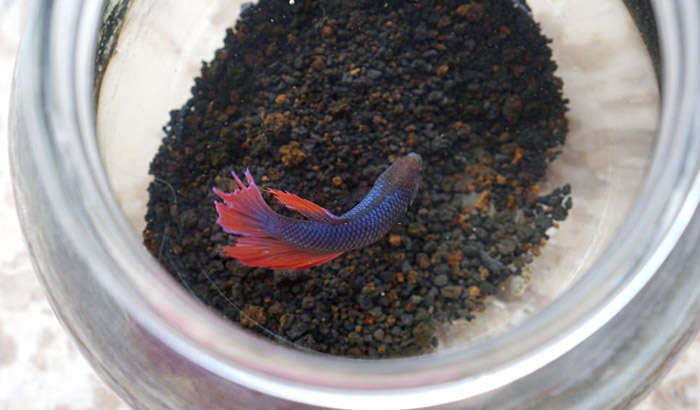
You will also notice that the betta flares at you sometimes. Flaring is a sign that your betta is under stress, especially if it is aggressive flaring. When something in their territory poses a threat to them, the fish will want to get rid of them quickly, making them flare.
These threats include a tank mate, another betta, or even their reflection since they cannot recognize themselves in the mirror. This threat can make them stressed out and eventually affect their eating habits.
Once the betta is under stress, it can be harmful to them if it stays for long. Meanwhile, there are also small instances of flaring, which is manageable since it allows the fish to stretch or flirt with another fish.
Why Does My Fish Stay in One Spot
There will be moments that your betta, or any fish for that matter, stays in one spot. There is no need to worry when this situation happens because it is just normal. The fish is just trying to breathe more easily.
Fish breathe dissolved oxygen underneath the aquarium water. Dissolved oxygen levels are naturally higher near the surface, making the fish stay in a spot near the bottom to breathe easily.
Fish also stay in one corner because of the temperature of the water. When the temperature is too high or too low, the fish will remain in the bottom corner. When the temperature rises, the fish will transfer to an area where the temperature is cooler.
Conclusion
Why does my betta fish stare at me? There are many reasons why a betta stares at someone, but it is natural for this fish species to make this habit since they can recognize people who feed them and has the instinct to recognize movement on the outside. What is important is that this staring habit is usual for the betta and part of what they will do once it is inside your aquarium.
The post Why Does My Betta Fish Stare At Me appeared first on Aquatic Eden.
]]>The post Dutch Vs. Nature Style Aquariums appeared first on Aquatic Eden.
]]>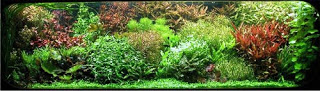
Dutch aquariums are an older style of aquascaping, dating back to early 20th century Holland. The style focuses on neat rows of plants radiating out from a central focal point, with lower plants in front and taller plants in the back (creating depth). You’ll often see this described as “streets” or “avenues” using plants.
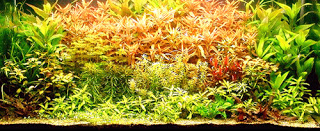
Dutch aquascapes also feature more colorful aquatic plants. They can be likened to a well kept garden, where all the plants are arranged with a purpose and kept well trimmed and defined. It may not be the most natural looking, but it is extremely beautiful and visually interesting. A significant hardscape (rock and/or driftwood) is usually not present or visible. Color, contrast, and the beauty of the individual plants is paramount.
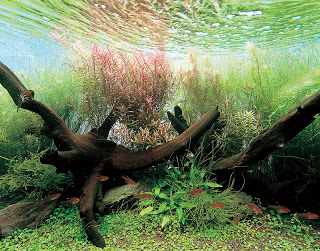
The Nature aquarium style was pioneered by Takashi Amano in the last decade. The style of this type of aquascape is very much focused on nature and imitating both natural landscapes and snapshots of natural environments. This means that a Nature style aquascape can look like a miniature version of a mountain range with tree lined slopes, or like a scene under the surface of a small river.
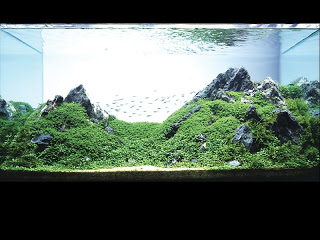
Hardscape usually plays a role in framing the aquascape or helps to create flow. Nature style aquascapes are often also one of three shapes: concave shaped, convex shaped, or triangular. Concave means that the height of the plants decreases to some central low point, then slopes back up. Convex is the opposite of concave, and is often called an “island” shape since the plants are low on either side but high in the middle. Finally, triangular shaped aquascapes are shaped like a right triangle, and the height of the plants slopes gradually from high on one side of the tank to low on the other. In most Nature style aquascapes, there is only one main focal point and it is almost always positioned according to the Golden Rule. Natural appearance, flow, and other Japanese gardening principles are most important
Within each of these styles there are further sub-styles that I’ll explore a little further in another article.
The post Dutch Vs. Nature Style Aquariums appeared first on Aquatic Eden.
]]>The post How to Take Care of Glofish? appeared first on Aquatic Eden.
]]>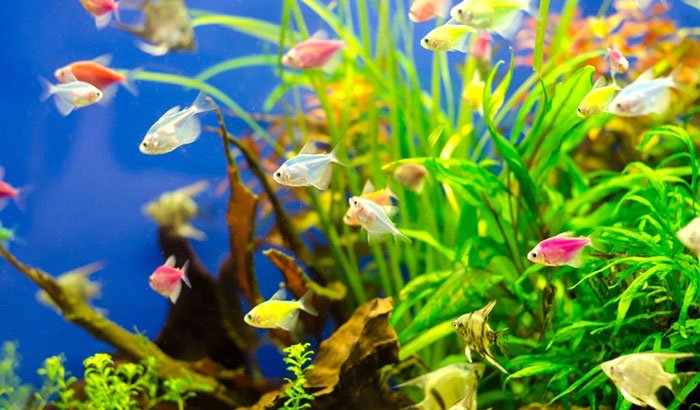
Glofish are genetically modified to become more colorful and emit a fluorescent glow. They are excellent options for a more vibrant and amazing-looking aquarium. But do you know how to take care of Glofish? This post will give you the basics of taking care of these engineered fish. We will tackle topics such as their diet, feeding frequency, population control, water conditions, breeding, aquarium elements, and more. Let’s begin!
The Glofish Diet
What do Glofish eat? Glofish are not very picky eaters. As long as you provide them with a wide variety of fish food products, these fish will survive. Since they are omnivorous, Glofish will eat flakes, pellets, frozen or freeze-dried fish food. They also appreciate live foods like bloodworms and brine shrimp.
And to be safe, you can supplement a special Glofish flake that will enhance their colors. These flakes are not a complete diet in and of themselves, though. The flakes should only be a part of a balanced diet.
If you want to get deeper into the Glofish diet, look for foods rich in carotenoids and beta carotene. These nutrients will help the fish retain their vibrancy and luminescence.
Since we’re talking about their diet anyway, we should also discuss how often do you feed Glofish. The official Glofish website suggests feeding the fish once or twice a day on average.
Population Control
In an aquarium, it is vital to think about the fish population and whether they are comfortable. As a baseline, let’s discuss how many Glofish in a 10-gallon tank is appropriate. Most Glofish are very small, but one of the tiniest kinds is the Glofish Tetra, the maximum size of which is two and a half inches.
At the most, five of these Glofish will live comfortably in a 10-gallon tank. To avoid getting lonely, you should put at least five of the same species in a single tank. So, if you only have a 10-gallon tank, you can only afford to get one species. If you have a 20-gallon tank, you can probably get five each of two separate species.
Sufficient space is essential to fish care. If the Glofish don’t get enough space to swim about freely, they might get aggressive, and that’s bad news for you.
What Other Fish Can Live with Glofish?
Do you have a large enough tank to accommodate five of a Glofish breed plus more fish of different species? If so, you need to know what other fish can live with Glofish. Small fish species are the best options for a Glofish companion. These breeds include tetras, angelfish, barbs, danios, and other freshwater fishes not big enough to eat or harass them.
Water Conditions
In this section, we will discuss the best environmental conditions for Glofish. We will look at the suitable range of water temperature, acidity, and more.
Temperature
What temperature do Glofish need to thrive? The temperature range in which a Glofish can thrive is from 72 to 82°F (around 22.22 to 27.78°C).
Filtration
Do Glofish need a filter to survive? Although they are genetically engineered, Glofish are just like any other aquarium fish. They need filtration to eliminate nitrites, ammonia, and other toxic contaminants from their tank, or they will suffer serious health problems – at worst, even death. Without proper filtration, the Glofish may lose its vibrant color slowly and die.
Lighting
Do Glofish need light at night despite being bioluminescent? No, Glofish do not need light at night. And that fact has nothing to do with their bioluminescence.
Glofish are freshwater fishes. And just like most tropical freshwater fish, they need twelve hours of light and another twelve hours of darkness each day. Keeping them in the dark at night is actually ideal for their health and survival. Plus, keeping them in the dark at night lets you enjoy their majestic and luminescent beauty.
Breeding
Glofish are not a separate class of species; they are genetically engineered from other species. Glofish species are as typical as bettas, danios, or barbs. If you want to breed Glofish, you have to know the breeding behavior of their species.
For example, if you have a danios Glofish, you should keep them in groups because danios like to breed in spawns. They will not pair up; instead, a female will deposit eggs, and the male will fertilize them afterward.
In contrast, betta Glofish breed differently. The male will build a bubble nest on the water’s surface and attract a mate to it. Once paired, the male and female will participate in a courtship and mating ritual. The female will then lay eggs, and the male will retrieve them and place them into the nest.
In short, each Glofish species breeds differently. You should know how the specific breed reproduces.
The same principle applies in knowing if a Glofish is pregnant. If you want to learn how to tell if a Glofish is pregnant, you should be familiar with its species.
Let’s take the danio again as an example. Because danios are not livebearers, they don’t get pregnant. The closest they get to pregnancy is when the female carries roe or eggs. You can tell that the female is ready to reproduce when she becomes wider than usual.
Conclusion
I just gave you the basics of how to take care of Glofish. If you’re asking yourself, “Why did my Glofish die?” you probably made mistakes in their diet, population control, and water conditions. Glofish, like all aquarium fishes, need enough space in a tank, the right temperature, filter, and lighting conditions. If you don’t meet these needs, you will not enjoy the beauty of these vibrant fishes.
The post How to Take Care of Glofish? appeared first on Aquatic Eden.
]]>The post Can You Use Distilled Water in a Fish Tank appeared first on Aquatic Eden.
]]>
Taking care of fish is not as easy as it may seem to guests who only see the beautiful fish tanks. There’s a lot of work that goes into keeping the fish alive and healthy. The saline levels of the tank, the filters I have to use, cleaning the tank of tannins or other substances – these are all required. Another important aspect of having a fish tank is the type of water you use. Can you use distilled water in a fish tank? How about purified water, can I use purified water in my fish tank?
The answer is quite complicated. Here’s an in-depth look at the repercussions of using distilled water in a fish tank.
Can I Use Distilled Water in a Fish Tank?
Beginner aquarium hobbyists might think that using the cleanest kind of water must be the safest for the fish. That kind of sounds right, doesn’t it? No, it is not.
What Happens During Water Distillation?
Here’s what happens during water distillation. The water is boiled and evaporated. All the impurities in the pre-evaporated water are left behind as the water turns to steam. Then the steam is cooled down again in a separate chamber and turned back to liquid. The result is water that contains no impurities, just 100% H2O.
Is it Safe to Use Distilled Water in a Fish Tank?
What’s the problem with this, then? Distilled water has no TDS (total dissolved solids). That also means that it contains no minerals whatsoever. If you have been taking care of an aquarium for quite some time already, you know by now that fish need minerals in their water.
If the fish tank contains only distilled water, the water will siphon the minerals out of the fish’s body because of osmotic pressure. Without getting into many details, osmotic pressure will basically kill the aquatic life if the water contains no minerals.
At Times You Can Use Distilled Water in a Fish Tank
The problem with distilled water is it is just practically H2O, and that is not enough for fish and aquatic plants to live. But that does not mean that you completely can’t use distilled water in a fish tank. Here are some scenarios where you can use distilled water.
Topping Off Water Loss Due to Evaporation
As the water in the tank evaporates, the minerals stay in the tank (remember the distillation process?). You can replace the evaporated water with distilled water.
Replacing evaporated water with distilled water does not change the balance of the minerals in your tank. The number of minerals remains the same.
Softening the Water
You can use distilled water to lower the pH levels of your fish tank. This is a tricky process, however. The softening effect of distilled water on hard water (such as tap water) is on a logarithmic scale, not proportional. This means that combining two equal parts of hard water and distilled water will not necessarily halve the pH level of the mixture.
You will have to test the pH level of the water every time you mix parts of the two kinds of water.
Additionally, distilled water also lowers the carbon hardness of the water, It may take you a while to get the perfect mixture of tap water to distilled water for your fish tank. But this is one way you can use distilled water in a fish tank.
Remineralized Distilled Water
There is only one instance where you can use distilled water to replace all the water in an aquarium. That instance is when the distilled water is remineralized.
Actually, this is the best use for distilled water in a fish tank. Remineralizing distilled water allows you to utterly control the mineral content of the fish tank. Because distilled water contains 0 TDS, the only minerals in the water will be the minerals that you put there.
Can I Use Purified Water in My Fish Tank
Purified water is any water that has undergone a purification process, such as distillation or de-ionization. For water to be considered purified, it should contain no more than 10 ppm (parts per million) of TDS.
I don’t suggest using purified water unless you know what dissolved solids it contains. If you don’t know whether it has impurities or the right minerals, I suggest testing it first before using it for your fish tank. And if you use purified water, I advise you to adapt it to the needs of your fish.
Can I Use Spring Water in My Fish Tank
The only requirement of spring water is that it should have come from the ground. With that said, there is a lot of unpredictability to random spring waters. You don’t know what’s in the water. You don’t know what minerals or impurities are in there unless you get it tested.
I don’t suggest using spring water for your fish tank without due diligence on your part. You need to know what the contents of the water are. You might have to do a bit of trial and error, but that is kind of risky.
Conclusion
Can you use distilled water in a fish tank? Yes, but only on certain occasions. If you need to replace water lost due to evaporation, distilled water is the best option. You can also use distilled water to soften hard water. Mineralized distilled water is also the best type of water to use in a fish tank, in my opinion. As for spring or purified water, I suggest adapting them for the needs of your fish. It may take a while, though, considering that not all spring water and purified water are the same.
The post Can You Use Distilled Water in a Fish Tank appeared first on Aquatic Eden.
]]>The post How to Clean Algae From Fish Tank Glass appeared first on Aquatic Eden.
]]>
Having to deal with algae is just normal when it comes to the maintenance of the aquarium. These aquatic plants thrive in light, carbon dioxide, and nutrients which, unfortunately, the fish tank has. So, apart from dealing with dirt and debris, there will come a time that aquarium owners will have to deal with removing these unwanted visitors in the fish tank.
When algae begin to invade your tank walls, it can affect and deteriorate the appearance of your tank. For this reason, it is essential to learn how to clean algae from fish tank glass and any areas of your aquarium where the algae invade. Cleaning it early is better than letting them accumulate on many areas of your fish tank, where the cleaning and maintenance will be more difficult.
How to Clean Algae from a Fish Tank
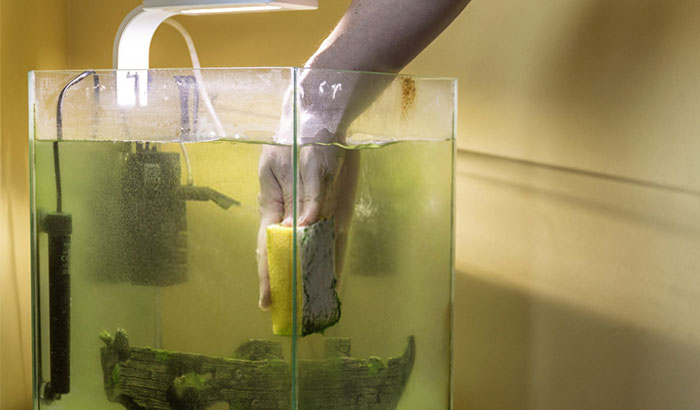
The tank glass, particularly the viewing panel, can be clean with a regular aquarium algae sponge. Avoid ponds coming from your households, such as the sink, because most of them come with anti-microbial agents that will harm your fish tank. It is advised to use a regular aquarium sponge depending on the type of glass you have and use the appropriate sponge.
You can also use the sponge to clean the overflow pipes or the aquarium’s sides or clean some of the decorations. You will also need to control algae from growing in your fish tank. Since algae thrive on sunlight and nutrients, making your nutrients level low, specifically the nitrates and the phosphates, algae will not grow as much as they could. You clean the fish tank, and you will keep the nutrients level in check.
Meanwhile, the glass itself will be kept clean by doing periodic cleaning every week using the pads mentioned earlier. Fish will also help clean the algae, specifically algae-eating fish. Snails can also help in removing algae from glass and decorations as well. But you do not want to use many of them because they tend to multiply quickly and overcrowd your fish tank. Also, you will need to check the water chemistry while keeping the phosphates and nitrates low to minimize your aquarium’s algae growth.
Keeping Aquarium Glass Algae-Free Without Scraping the Glass
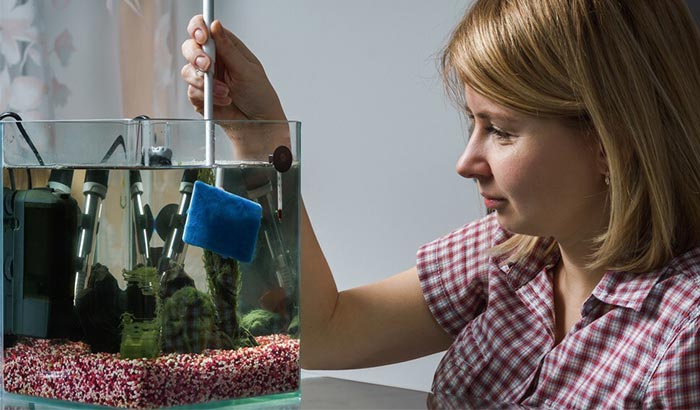
When it comes to algae prevention, it can be very hassle if you keep on scrubbing the glass all the time. In fact, there are things that you can do to keep the glass always clean and algae-free without doing constant scrubbing. The methods used in this process are basically part of the maintenance you will do in the aquarium. Read below to find out.
Controlling the Light Access
You will need to limit the access to light in your fish tank. If you have the capability, provide a timer for the light for you to have more control in using and turning off the light. My suggestion is to turn the light on about two and a half hours in the morning then another six and a half hours late afternoon, probably from 4:00 pm to 10:30 pm.
Limiting the amount of light daily is the most important thing to do to limit excessive algae growth. Algae thrive in light, so it will simply not grow if it does not receive enough light. If you are thinking not to turn it off the whole day, I say do not do it since your fish also needs the light for their requirements.
Limiting the Number of Nutrients
Algae growth is dependent on enough lighting, carbon dioxide supply, and nutrients coming from fish foods. If you limit the nutrients that are coming into the fish tank, it will also limit the possibility of the algae growing. These nutrients or fertilizers are phosphates and nitrates, which usually come from excess foods of the fish that were not eaten. What you do is try to limit what you are feeding to the fish, especially if it is more than enough to their actual capacity. Doing this action will also limit the uneaten or excess foods that help the algae grow.
Strictly Following Maintenace Schedule
One way to control the growth of algae is to follow whatever is your maintenance schedule strictly. For example, if you find that your nitrates are getting above 25 parts per million, you should be doing a water change immediately. So, if the nitrates are around 40 to 50 parts per million, that’s the fastest way for the algae to grow. You can also do a gravel vacuum if you feel that the sand or gravel needs cleaning. That is one way of keeping the algae from growing.
Used Algae-eating fish
Having an algae-eating fish in your aquarium can help minimize or neutralize the growth of too many algae. The bristlenose placo is just one fish species that eat algae on the glass and other parts of the aquarium. It will help in keeping the fish tank glass clean all the time. The Chinese algae eater species can also help minimize algae in the fish tank if you decide to have it in your aquarium.
The Snail
Many aquarium owners might disagree with me, but using snails to minimize algae is actually effective. I have used it personally, and the snail has done a tremendous job of keeping my fish tank clean and free from algae. You can use the snails as an alternative to the algae-eating fish if you want to do so.
Conclusion
Learning how to clean algae from fish tank glass is an essential skill that can be learned as part of the maintenance process of the aquarium. Eventually, you will have to deal with cleaning the fish tank to remove algae as it grows inside the fish tank. In addition, apart from scrubbing the glass, there are also other ways to keep the algae at bay and prevent them from growing uncontrollably inside your aquarium. And all of the methods we presented are also part of the maintenance process of the fish tank. So, if you follow your maintenance schedule religiously, then there is an excellent chance that algae growth will be prevented.
The post How to Clean Algae From Fish Tank Glass appeared first on Aquatic Eden.
]]>The post Acrylic vs Glass Fish Tank appeared first on Aquatic Eden.
]]>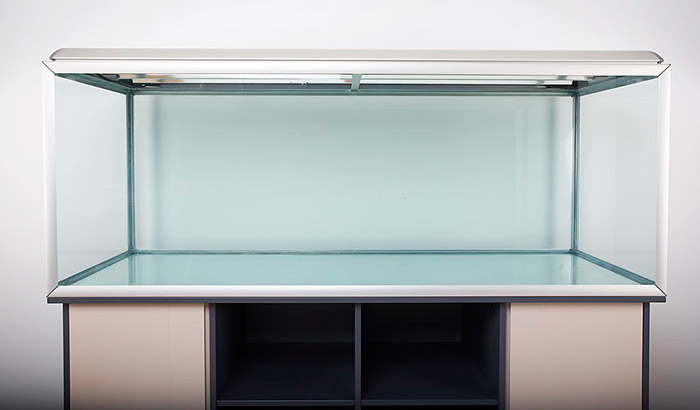
If you are planning to have an aquarium in your house, you have two options to choose from: an acrylic aquarium or a glass aquarium. At first, these two types of aquariums feel similar, but you will notice the complete difference once you start using them.
So, what is the difference between acrylic vs glass fish tank? The most obvious difference is the price at which acrylic should be more expensive compared to its glass counterpart. Acrylic and glass fish tanks also differ in durability, weight, shape, and other factors, which will be discussed in this article.
| Features | Acrylic Fish Tank | Glass Fish Tank |
| Scratch Resistance | No | Yes |
| Weight | Light | Heavy |
| Price | Expensive | More Affordable |
| Durability | Becomes Brittle Overtime | Will Last Longer |
| Clarity | Yellowish as it Gets Old | Constant |
| Shapes | Varied | Limited |
What is the Difference Between Acrylic and Glass Fish Tank?
Acrylic and glass fish tank can be compared through several factors and features, which have been listed below:
Scratch Resistance Feature
You can differentiate between the two aquariums by the way they resist scratches. To make it simple, acrylic is a type of plastic which means it can be scratched easily compared to its glass counterpart.
On the other hand, a glass aquarium can be scratched as well. However, its resistance is more excellent by a lot of times compared to an acrylic surface. It will need a significant impact to scratch a glass surface.
Over time, you will see that the surface of the acrylic aquarium looks older and beat up. Scratches will be more evident as time goes by. This situation is different with a glass aquarium as it will still look new, especially if you know how to maintain and clean it all the time.
Longevity
When it comes to durability, a glass aquarium will last longer compared to its acrylic counterpart. Acrylic materials do not have the ability to stand UV light which can affect their longevity. The effect is that the acrylic will become brittle and yellowish over time.
You will know that an acrylic aquarium starts to break down when it becomes yellowish. This situation is the effect of all the UV lights it received coming from the aquarium lights and even the sunlight.
Weight
It is very obvious that a glass fish tank is heavier compared to an acrylic fish tank. And this can be a disadvantage, especially if you want to relocate the aquarium from one place to another. It can be very difficult to move an aquarium made of glass because it is much heavier.
The difference in weight between acrylic aquariums and glass aquariums will depend on how it is made. But, those made with glass are heavier, while those made with acrylic are lighter. The weight will become a factor if you decide to make custom-made fish tanks because your floor should have the ability to support the aquarium.
Shapes
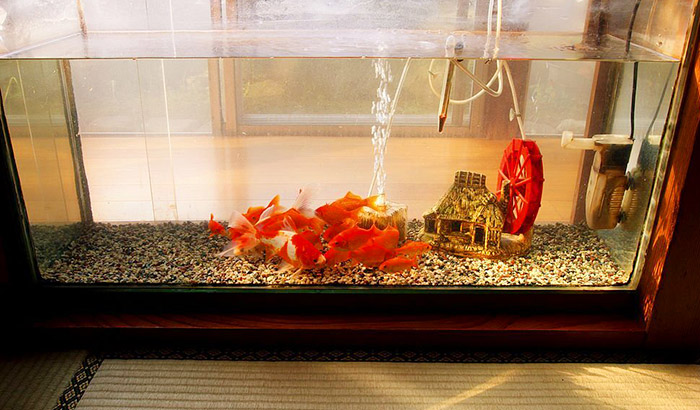
One way to differentiate acrylic and glass aquariums is the choice of shape that a manufacturer can make. Unfortunately, glass is not a flexible material. The absence of flexibility means you will have a limited selection of shapes. Glass aquariums can either be flat or angular. Your choices of shapes only include geometrical shapes.
If you want aquariums with more shape options, then choosing an acrylic fish tank will be the solution. Acrylic is known for its flexibility and is a non-rigid material. You can have plenty of options on the shapes of your aquarium.
Clarity
Glass is clearer compared to its acrylic counterpart. And it remains clear for a very long time. With acrylic, it will not be the case. When an acrylic material is exposed to any form of UV light, it can affect the clarity of the acrylic material.
Constant exposure to UV sunlight can make acrylic materials brittle and become yellowish. As time goes by and more exposure to UV sunlight, the clarity of the acrylic will be different compared to when it was new. It will become cloudy and yellowish.
Stability
When it comes to stability, a glass fish tank is much better compared to an acrylic aquarium. We all know the importance of stability as you try to position your aquarium in the house. Fortunately, glass is a sturdy material that should be able to support an amount of weight.
On the other hand, an acrylic aquarium comes with its own stability feature but is not comparable to the stability that an acrylic aquarium provides. When you are dealing with a large tank size, the stability of a glass fish tank is advantageous.
Price
Acrylic fish tank is more expensive than a glass fish tank. If you are still new to fish keeping, it will be better to choose the more affordable aquarium, which is made of glass. Acrylic is more expensive, which means it is not for hobbyists on a budget.
If you are budget conscious, it will be better to use a glass aquarium at first. A fish tank made of regular glass is perfect for people who are just starting and is more affordable.
Conclusion
Knowing the difference between acrylic vs glass fish tank is essential if you are just starting your fish keeping journey. Both of these types of aquariums come with both advantages and disadvantages. It is all about looking for the right tank and brand that will fit your needs and preference.
The post Acrylic vs Glass Fish Tank appeared first on Aquatic Eden.
]]>